Bar With Private Room Options for Upscale Private Dining
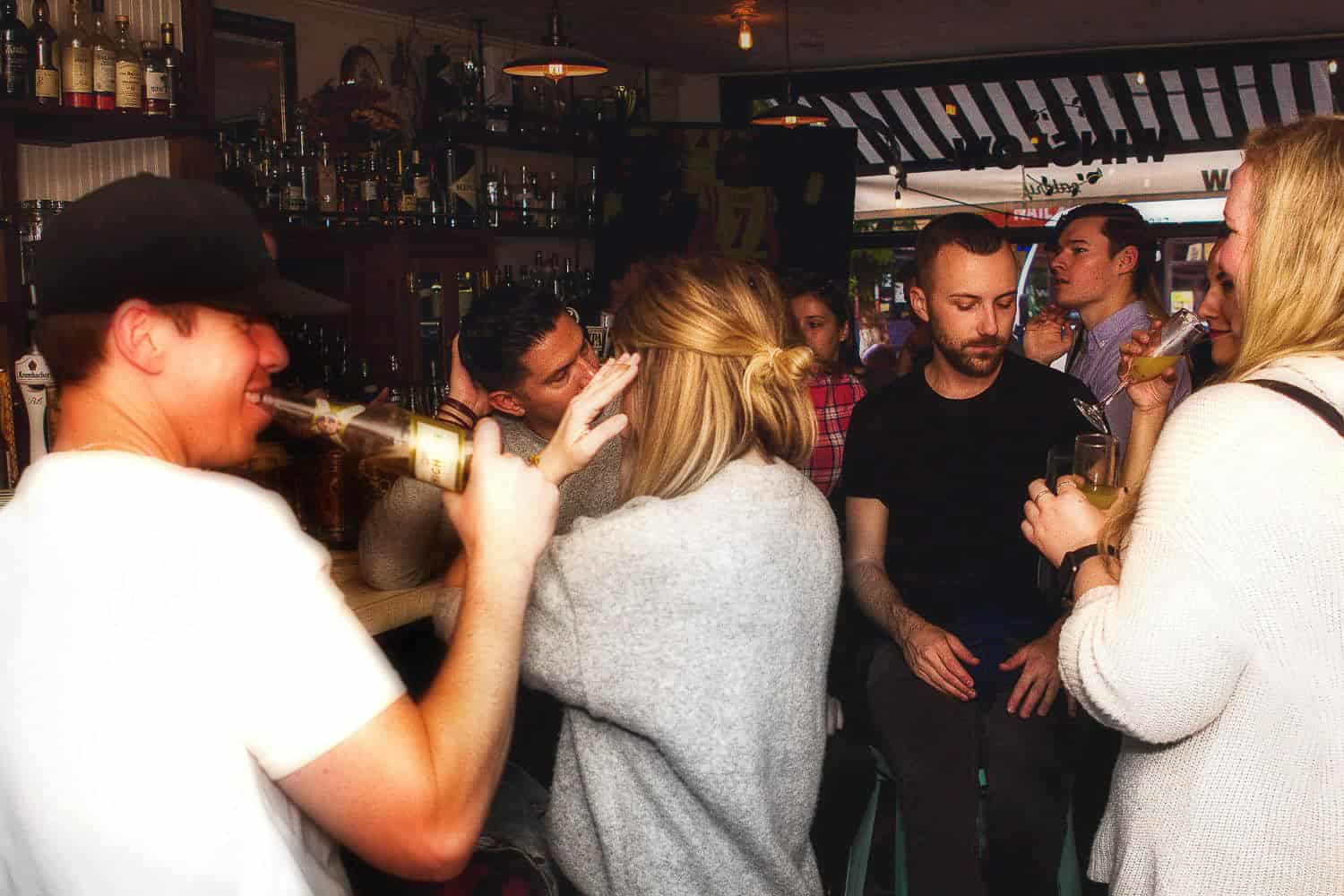
A great private dining experience rarely comes down to food alone. The room matters. The flow of service matters. The acoustics matter more than most hosts expect. And when the setting includes a bar with private room access, the event gains a layer of ease and polish that a standard restaurant table often cannot match.
That combination appeals to a wide range of hosts. Corporate teams want a place where senior clients can speak freely without feeling locked inside a sterile boardroom. Families planning milestone birthdays want the warmth of a lively venue without having every toast shared with strangers two feet away. Couples arranging rehearsal dinners often want a space that feels celebratory before anyone reaches the main event. In each of those cases, a bar with private room options can hit the sweet spot between exclusivity and atmosphere.
What separates an average booking from a memorable one is not always obvious when you first inquire. A room can look elegant in photos and still fail under real service conditions. I have seen beautifully designed spaces where guests had to squeeze past one another all night because the room was built for twenty seated people but sold for thirty. I have also seen less flashy rooms work brilliantly because the team understood pacing, menu design, and how guests actually use a private space over a two or three hour dinner.
If https://connerjgoz676.theburnward.com/why-a-bar-with-private-room-is-perfect-for-after-work-meetups you are considering an upscale private dining reservation, it helps to know what these venues do well, where they fall short, and what questions are worth asking before you sign anything.
Why a bar with private room access works so well for upscale dining
There is a reason so many hosts start their search with this format. A private room attached to a strong bar program gives you flexibility that a standalone banquet room often lacks. Guests can begin with cocktails in a semi-social rhythm, move into a seated meal, and return to drinks or digestifs afterward without changing venues. That transition matters because events rarely unfold in a straight line. People arrive late. Speeches run long. One table wants another bottle of wine while another wants espresso and dessert. A venue that already knows how to manage beverage timing tends to handle these shifts more naturally.
The best version of this setup offers privacy without isolation. You want a room that feels distinct, not like a curtained-off corner where the rest of the restaurant can hear every work discussion or family story. At the same time, complete separation can sap energy if the space feels too formal or detached from the venue’s personality. The right balance is subtle. Guests should feel tucked away, cared for, and comfortable, while still sensing they are part of a sophisticated evening out.
That is one reason a bar with private room design often wins over a private hall inside a hotel or event venue. A dedicated restaurant team usually handles food and beverage with more rhythm. Drinks come out at the right pace. Wine service feels intentional instead of perfunctory. The room may be smaller, but the experience tends to feel more alive.
Not all private rooms are truly private
This is where hosts often get caught out. “Private room” can mean very different things depending on the property. Sometimes it is a fully enclosed room with solid doors, independent sound control, and its own service station. Sometimes it is an alcove with sliding panels. Sometimes it is simply a raised section of the dining room that can be “reserved” for larger parties. Those distinctions matter enormously for upscale private dining.
If confidentiality matters, ask direct questions. Can neighboring tables hear your group? Is there a door? Is there a dedicated speaker system or background music control? Will other guests pass through the space to reach a restroom or patio? These details can make the difference between a polished executive dinner and an awkward evening of lowered voices.
I once attended a client dinner in a room described as exclusive and secluded. It turned out to share a partial wall with the main bar, and every time the cocktail shaker went to work, the person presenting quarterly numbers had to pause. The food was excellent. The room was not. Since then, I have learned to treat the word “private” as a starting point, not a guarantee.
The atmosphere can carry the whole evening
Upscale private dining should feel composed, not stiff. That is where a bar-led venue often shines. Good bars understand mood. They know how lighting affects conversation, how music can energize a room without overwhelming it, and how a welcome drink can ease the social friction of mixed groups.
A rehearsal dinner, for example, usually includes relatives meeting for the first time, friends from different eras, and a wedding party running on a slightly chaotic schedule. A private room connected to a polished bar gives people something to do during those first twenty minutes besides stare at place cards. They can arrive, settle in, and engage naturally. That small improvement changes the tone of the entire night.
The same applies to business meals. There is a noticeable difference between inviting a client into a room that feels ceremonious and one that feels quietly assured. The first can read as overdone. The second suggests confidence and thoughtfulness. Upscale rarely means ornate for its own sake. More often, it means proportion, restraint, and service that anticipates rather than performs.
What to look for beyond the photos
Venue galleries are useful, but they tend to flatter the wrong things. A chandelier photographs well. Ceiling height, chair comfort, traffic flow, and noise bleed do not. Those practical points matter more once guests arrive.
Start with capacity, but do not stop at the maximum number. Ask how many people fit comfortably for your preferred format. Twenty-four guests at one long table creates a different feel from twenty-four guests at three rounds or two rectangular tables. A room that handles thirty for cocktails may only work well for twenty seated with a multi-course meal. If you need audiovisual support, a projector or screen placement can also reduce usable space.
Then think about sightlines. If someone will give remarks, can all guests see them without twisting in their seats? If the host wants a central moment such as a birthday toast or wine presentation, does the room allow it gracefully? I have seen private dining setups where half the group had their backs to the speaker because the furniture plan was never adjusted from a generic banquet layout.
Service access is another quiet indicator of quality. In the best spaces, plates appear and disappear with minimal interruption. Staff are present but never hovering. In weaker rooms, every course feels like a traffic exercise because servers must cut through the center of the party to reach the back table. Guests may not articulate the problem, but they feel it.
Food has to suit the room
A bar with private room options can offer anything from passed canapés and cocktails to a formal plated dinner, but not every menu style suits every group. Upscale private dining works best when the menu reflects the realities of timing, guest expectations, and kitchen strengths.
Large groups often benefit from a narrowed menu. That does not mean generic food. It means intelligent choices that can be executed consistently for twelve, twenty, or forty people at once. A restaurant known for à la minute fish cookery may struggle if every guest chooses a different preparation from the full dinner menu. On the other hand, a thoughtfully structured private dining menu with two or three selections per course often produces a stronger meal for everyone.
Shared menus can be especially effective in stylish bar settings, particularly for social celebrations. They encourage interaction and reduce the stop-start feeling of individual ordering. That said, family-style service is not ideal for every occasion. If the dinner is client-facing or especially formal, plated courses may better match the tone.
Dietary accommodations deserve practical discussion early, not as an afterthought. In upscale venues, chefs are usually willing to adapt, but only if they have enough notice and the requests are reasonable. Gluten-free, vegetarian, dairy-free, and alcohol-free options are standard concerns now. Ask how those guests will be served and whether their dishes will feel equivalent in care and presentation. Nothing undercuts hospitality faster than one guest receiving a visibly lesser meal.
The bar program is not a side note
When a host books a bar with private room access, the beverage side should be part of the strategy, not just a line item. Drinks shape pacing. They also shape budget faster than almost anything else.
An open bar sounds generous, but in many upscale private dining settings it is not the smartest choice. A better option can be a curated package or a limited hosted selection built around the meal. A sparkling welcome drink, two red and two white wine choices, one signature cocktail, one spirit-free cocktail, and after-dinner coffee often covers the evening with more elegance and less waste than a wide-open premium tab.
There is also the question of where drinks are served. Some groups love beginning in the main bar before moving into the private room. Others need everything contained within the room for privacy or flow. Neither approach is inherently better, but each affects staffing and timing. If guests are dispersed across the property at arrival, your event start time can drift. If everything happens inside the room, make sure there is enough space for standing service without crowding the dining setup.
A serious venue will talk about wine pairings, corkage, bottle minimums, custom cocktail options, and nonalcoholic hospitality with the same attention they give the menu. That is a good sign. It shows they understand that upscale private dining is an integrated experience.
The budget conversation should be specific
Many hosts fixate on the room fee and miss the real cost drivers. Depending on the venue, the room may be complimentary with a food and beverage minimum, or it may carry a separate charge based on day and time. Neither model is automatically better. What matters is the full picture.
A Friday evening reservation in a sought-after dining room will usually come with a higher minimum than a Tuesday lunch, even if the room itself is identical. Beverage packages, tax, service charge, overtime, cake fees, floral setup, and AV rentals can materially change the final bill. In my experience, the difference between an event that feels well-managed and one that becomes stressful is often a host’s willingness to review those terms line by line before confirming.
This is the point where I advise people to ask for a sample final estimate based on their likely guest count and beverage style. Not a vague range, an actual scenario. If you expect eighteen guests, two cocktails per person, three courses, and wine with dinner, ask the venue to price that model. It is far easier to make adjustments before you commit than after invitations go out.
Questions worth asking before you book
A polished room and a pleasant sales manager are not enough. The right questions reveal how the event will really operate.
- Is the room fully enclosed, and what level of privacy can guests expect?
- What is the comfortable seated capacity for my preferred table layout?
- How are beverage service, menu selections, and dietary requests handled?
- Are there minimums, room fees, time limits, or charges for extending the event?
- Who manages the room on the night itself, and will there be a dedicated point of contact?
Those five questions cover most of the operational issues that later become pain points. If the answers are vague, keep looking.
Different occasions call for different room personalities
The strongest hosts match the room to the event, not just the guest count. That sounds obvious, but it is often ignored.
For corporate entertaining, discretion and efficiency tend to matter most. A room with acoustic separation, understated décor, and smooth pacing usually works better than one with theatrical lighting or a party-heavy reputation. Clients want to feel looked after, not staged.
For birthdays and anniversaries, a little more character can help. A room with access to a lively bar, a visible backbar, or a semi-open lounge area can give the evening momentum. Guests in celebratory groups often value movement and variety more than strict seclusion.
For engagement dinners and rehearsal events, consider how arrivals and mingling will unfold. If older family members need seating right away while younger guests enjoy a drink first, look for a venue that can accommodate both. Flexibility is the hidden luxury here.
For holiday parties, practical details rise quickly. Coat storage, restroom access, sound levels, and service speed matter more than decorative flourishes once the room is full. December calendars are unforgiving, and a team that knows how to turn a room on time is worth paying for.
Service style is the make-or-break factor
The most expensive room in the city can still disappoint if service lacks judgment. Upscale private dining requires a slightly different discipline from regular restaurant service. Timing has to account for speeches, gift moments, delayed arrivals, dietary notes, and the host’s social agenda. A smart private dining manager can sense when to hold a course for five minutes and when to move decisively. That kind of reading of the room is difficult to fake.
I have watched experienced captains quietly rescue events simply by adjusting sequence. At one anniversary dinner, the guest of honor was delayed by traffic and the room was on the verge of going flat. Rather than pushing everyone to the table immediately, the manager extended canapé service, sent another round of drinks, and held the first course until the arrival. The guests experienced the evening as relaxed and generous. Less skilled teams would have exposed the delay and made everyone feel it.
When you visit or speak with a venue, pay attention to how they answer situational questions. If a speech runs long, what happens to the fish course? If six guests arrive forty minutes late, how do they recover? If two people do not drink, what hospitality do they receive instead? Competent answers signal operational maturity.
Small details that elevate the experience
Upscale private dining is often defined by what guests barely notice. Properly dimmed lighting. Chairs that remain comfortable through dessert. Ice that is replenished before anyone asks. A room temperature that stays stable once the door closes and twenty bodies are inside. These details sound minor until one goes wrong.
Personalization helps too, provided it remains restrained. Printed menus with the event title, a thoughtfully chosen welcome cocktail, or a dessert presentation tied to the occasion can sharpen the sense that the evening was built, not merely booked. What usually works less well is overproduction. Too many branded elements or decorative gestures can make a private dinner feel like a trade show or a wedding overflow room.
There is also real value in pacing that leaves guests room to enjoy themselves. Not every minute needs to be programmed. A strong venue understands that private dining should breathe.
Red flags that should give you pause
Most disappointing private events can be traced back to a handful of warning signs that appeared early.
A venue that cannot clearly explain pricing is one. Another is a private room that only looks good from one camera angle. Slow replies during the sales process often signal poor coordination later. So does an inability to provide a basic rain plan if any part of the event uses outdoor space.
Watch for overpromising on capacity. If a manager insists they can “make it work” beyond what the room seems to hold comfortably, they are usually solving for revenue, not guest experience. Likewise, if every request is met with an immediate yes and no discussion of trade-offs, be careful. Experienced teams know that every event involves choices. They should be able to tell you what works best and why.
How to get the most from your reservation
Hosts often believe the venue alone determines whether private dining feels upscale. In practice, the host contributes quite a bit. Clear communication helps more than elaborate instructions. Share your priorities early. If conversation matters more than spectacle, say so. If one guest is celebrating and you want the evening to build toward that moment, tell the team when and how you would like it handled.
It also pays to be realistic about timing. Guests do not sit the moment the reservation begins. Cocktails stretch. Photos happen. Restrooms create natural pauses. For a seated private dinner with drinks before and after, two and a half to three hours is a sensible baseline for many groups, sometimes longer if speeches or multiple courses are involved.
If you are torn between two venues, I usually recommend choosing the one with the more capable private dining team over the one with slightly more dramatic décor. Rooms impress people for a few minutes. Service carries them for the whole night.
The best private rooms feel easy
That may sound odd for something called upscale, but it is true. The best bar with private room setups do not force guests to admire the mechanics. They simply allow an evening to unfold with confidence. Drinks appear when they should. The room holds conversation. The food arrives at the right temperature. Nobody wonders where to stand, when to toast, or whether the check will become awkward.
That is the real standard worth pursuing. Not maximum luxury as performance, but luxury as ease. When a venue delivers that, private dining feels less like an arrangement and more like a privilege extended to your guests. And that is usually what hosts are after, whether they are entertaining clients, gathering family, or marking a life event that deserves more than a table in the middle of the room.
The Winslow
Address: 243 E 14th St, New York, NY 10003
Phone number: +12127777717
FAQ About Bar With Private Room
Which bars in NYC offer private rooms?
Many bars in New York City offer private and semi-private rooms for parties and events, ranging from hidden basement speakeasies to upscale lounge spaces. Top options include The Back Room on the Lower East Side, Dear Irving Gramercy, Pebble Bar in Midtown, Mister Paradise in the East Village, and The Winslow in the East Village.
What is a private room in a pub called?
A small, private seating area or partitioned booth in a traditional pub is most commonly called a snug. Larger private rooms used for events, parties, or dining are typically referred to as private dining rooms, function rooms, or back rooms.
How much does a 2 hour open bar cost?
A 2-hour open bar generally costs between $15 and $45 per person, depending heavily on the quality of alcohol you choose. For a standard group of 100 guests, this translates to an overall cost of $1,500 to $4,500 before taxes, setups, and staff gratuities.